
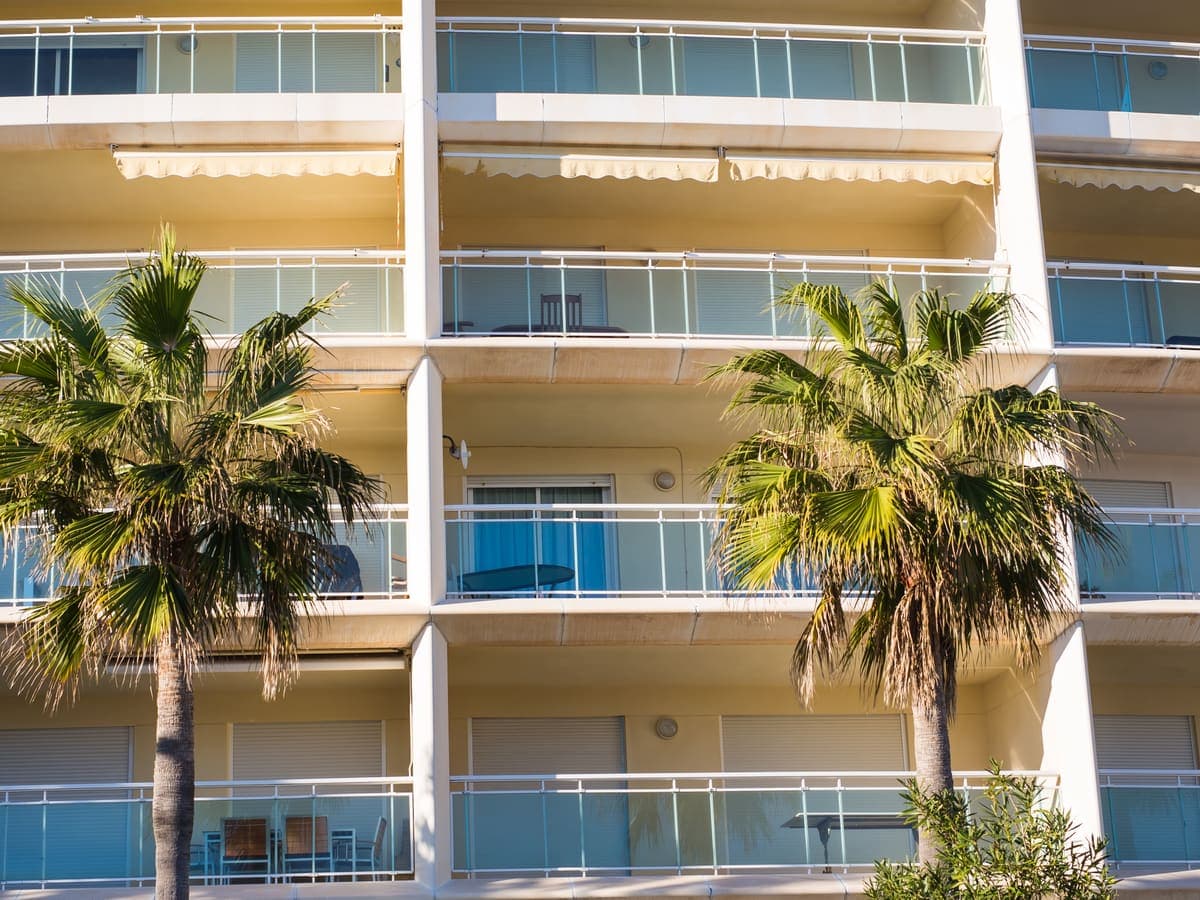
The short version
- After the 2021 Surfside collapse, Florida passed laws requiring structural inspections and funded reserves for older buildings. That changes the math on many condos.
- You're buying the building's finances as much as the unit. Read the budget, the reserve study, and the inspection reports before you commit.
- Monthly fees and special assessments can change what you can afford — fast.
- Condos still make sense for a lot of buyers. You just need to know which buildings are healthy.
I sell condos all over Central Florida, and I'll say it plainly: the condo market here has changed. The unit you're looking at might be perfect. But if the building it sits in has skipped its maintenance and underfunded its reserves for twenty years, that unit comes with a bill. Here's what to know before you buy.
What the new laws mean for you
Florida now requires buildings three stories and taller to have structural milestone inspections once they reach a certain age, and to complete reserve studies that fund future repairs — instead of waiving reserves the way many associations did for decades. The result is that a lot of older buildings are catching up on deferred maintenance all at once. That shows up as higher monthly fees, special assessments, or both. None of this makes condos a bad buy. It means the building's paperwork is now part of your due diligence.
What to ask for — and actually read
- The current budget and the last two years of financials. Are fees covering expenses, or is the association borrowing?
- The reserve study. How much is set aside for the roof, the elevators, the exterior — and how much should be?
- The milestone inspection report, if the building is old enough to need one. Are there structural findings, and what's the repair plan?
- Meeting minutes for the past year. Boards discuss problems long before they hit the budget.
- Any pending or planned special assessments. Ask directly, in writing.
- The insurance situation. Some older buildings are struggling to get coverage at a reasonable price, and that cost flows straight into your fees.
Fees, assessments, and your budget
Your lender qualifies you on the monthly fee, so a high fee lowers what you can borrow. A special assessment — a one-time bill for a big repair — can run from a few thousand dollars to much more, and it's usually due whether you just moved in or not. Before you fall in love with a unit, look at the fee, ask about assessments, and compare buildings. Two similar condos a mile apart can have very different real costs.
Where condos still make great sense
Newer buildings with funded reserves, well-run associations with transparent boards, and smaller communities that have kept up with maintenance — these are solid buys, often at prices a single-family home can't touch in the same neighborhood. Lock-and-leave convenience, pool and gym included, no lawn. The goal isn't to avoid condos. It's to avoid the wrong building. That's the homework I do with every condo buyer I work with.
Real estate done right starts with a conversation.
Buying, selling, or investing anywhere in Central Florida — Adam picks up, answers straight, and never hands you off.