The short version
- House hacking means living in a property that also produces rent — a duplex, a spare-room house, or a home with a garage apartment.
- The unlock is owner-occupant financing: you buy an income property with a homebuyer's low down payment and rates.
- Rental income can shrink your housing cost dramatically — and lenders can even count some of it toward qualifying on multi-unit purchases.
- It's a strategy with trade-offs: you're a landlord who lives at work. Screen well, know the rules, and it's the strongest first move in real estate.
Housing is most people's biggest expense. House hacking is the strategy that flips it — buy a property that produces income, live in part of it, and let rent absorb some or most of the payment. It's not a loophole and it's not new; it's how a huge share of serious investors started, including plenty I work with in Central Florida. Here's the honest version.
The three classic shapes
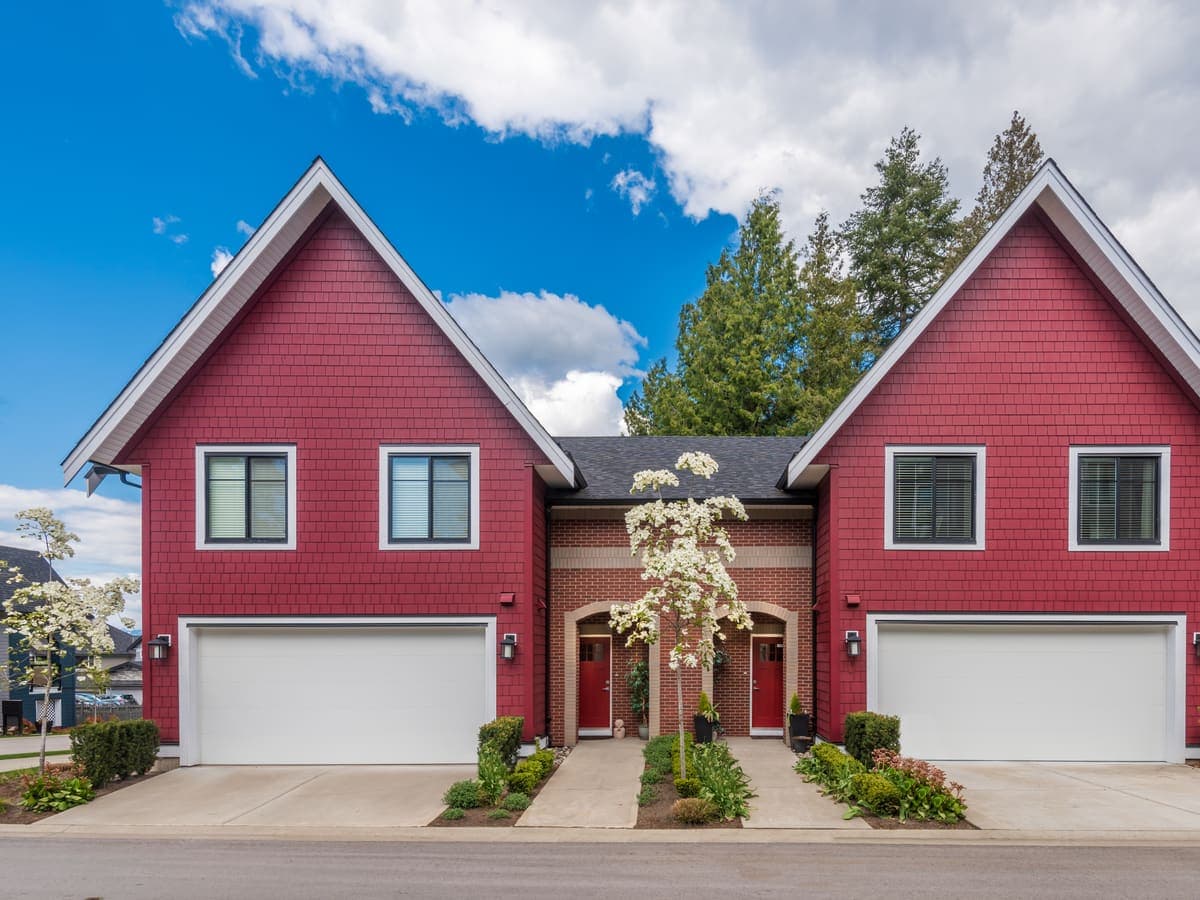
- The duplex (or triplex/fourplex) — live in one unit, rent the rest. The cleanest version: separate doors, separate lives, real rental income. Two-to-four-unit properties still qualify for residential owner-occupant financing.
- The spare-bedroom house — rent rooms to housemates. Zero special property required and the most social version — you share a kitchen.
- The ADU play — a house with a garage apartment, in-law suite, or backyard cottage. You keep privacy; the ADU produces rent. Increasingly common in Orlando's older neighborhoods.
Why the math works: the owner-occupant unlock
Pure investment property demands big down payments and higher rates. But live in the property and you're a homebuyer, not an investor, in the lender's eyes — low down payment programs, better pricing, friendlier qualifying. On multi-unit purchases, lenders can even count a portion of the expected rent from the other units toward your income, raising what you qualify for. That combination — investment asset, homeowner terms — is the entire engine of house hacking. The honest fine print: owner-occupancy is a real legal commitment, typically at least a year of genuinely living there. It's a strategy for people who mean it.
The Central Florida angle
This market is friendlier to house hacking than most: deep rental demand from a growing workforce, older neighborhoods with garage apartments and in-law suites, duplexes scattered through Orlando and Sanford, and price points where the math still pencils. The homework that matters: know the zoning and any HOA rules before you buy (some communities restrict rentals), price the rent honestly against comps rather than hope, and if you're eyeing short-term rental income instead of long-term tenants, check the local registration rules first — they vary city by city and they're enforced.
The part nobody sells you
You will be a landlord who lives at the property. That means tenant screening matters double — you're choosing neighbors, not just renters. It means the 10 PM maintenance text is a knock on your own door. And it means treating it like the business it is: written leases, real deposits held properly, fair-housing rules followed. Most people find the trade absolutely worth it — a housing payment shrunk toward zero while equity builds is life-changing money in your twenties or thirties. If that sounds like your next move, call me. The right property makes the whole strategy, and the right properties don't wait around.
Real estate done right starts with a conversation.
Buying, selling, or investing anywhere in Central Florida — Adam picks up, answers straight, and never hands you off.