The short version
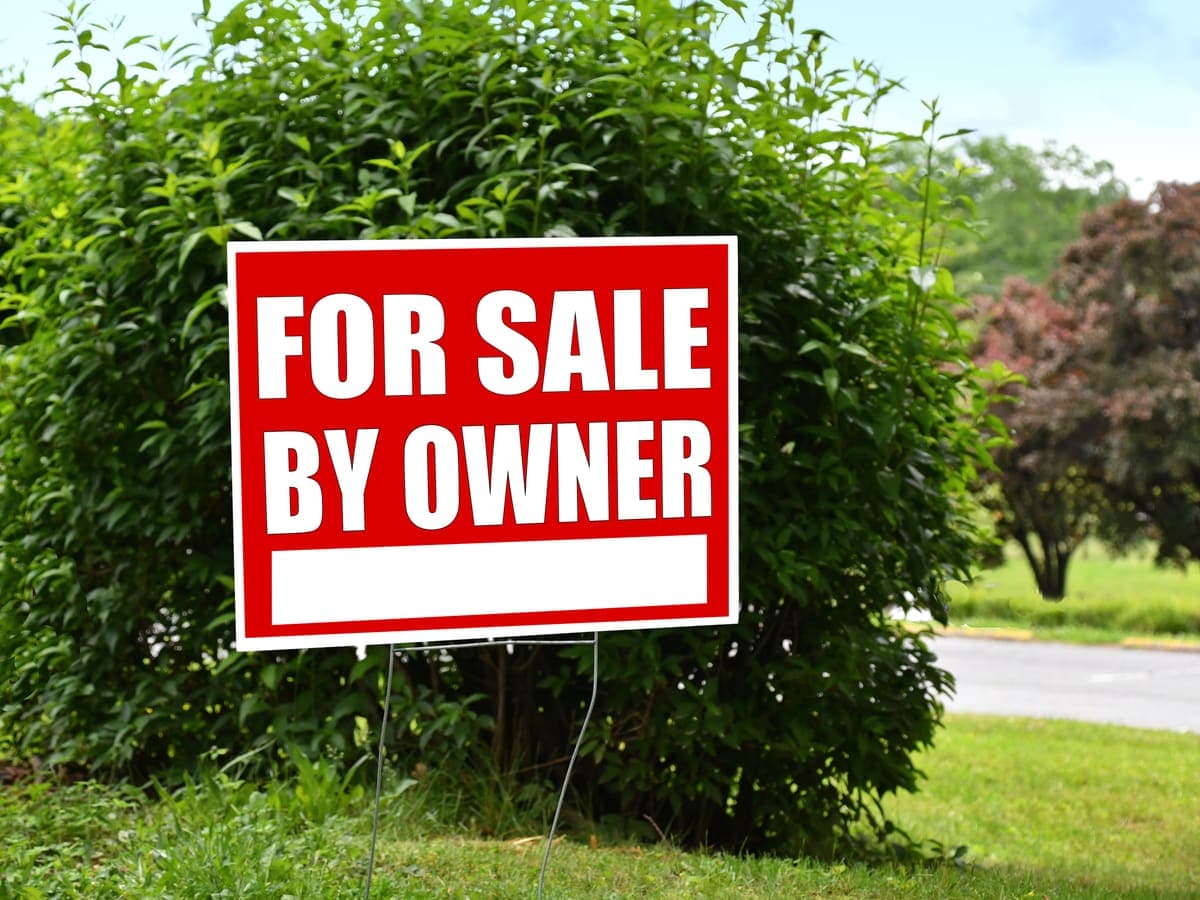
- Selling on your own is legal and doable. The savings are real, but smaller than most people expect once you account for the buyer's side and a lower sale price.
- The hard parts aren't the listing photos. They're pricing, negotiating, the contract, and keeping the deal alive through inspection and appraisal.
- Most buyers still come with an agent, and that agent is negotiating for the buyer. Nobody is negotiating for you.
- If you go this route, hire a real estate attorney for the contract and closing. That's not optional in my opinion.
I'm a broker, so you'd expect me to tell you not to do this. I'm not going to. Plenty of people sell their own homes, and some do it well. What I'll do is tell you what the job actually involves, where I see owners get hurt, and how to decide. If you read this and still want to sell on your own, you'll at least go in with your eyes open.
What you're actually taking on
- Pricing. Online estimates are often off by a lot in either direction. Price too high and the house sits. Price too low and you gave away the money you were trying to save.
- Marketing. Professional photos, a listing that reaches the sites buyers use, showings at odd hours, and answering every call and text.
- Screening buyers. Is that offer backed by a real pre-approval? Is the cash buyer actually funded? You'll be the one checking.
- The contract. Florida uses standard forms, but every blank and every deadline matters. Miss one and you can lose the deal or your leverage.
- Inspection and appraisal. This is where most deals get renegotiated or fall apart. You'll be handling the repair requests and the low-appraisal conversation yourself.
- Closing. Title, payoffs, prorations, the deed. Florida doesn't require an attorney at closing, but I'd never sell without one.
What it really saves
The number people have in their head is the full commission. The number that's realistic is smaller. Most buyers still show up with their own agent, and in most deals the seller ends up paying or crediting something toward that side to keep the offer competitive. So you're usually saving the listing side, not both sides. And the data on sale prices has been consistent for years: homes sold by owners tend to sell for less than agent-listed homes, often by more than the commission saved. That's not a sales pitch. It's just what happens when one side of the table has done this hundreds of times and the other side is doing it once.
Where I see owners get hurt
Three places, over and over. First, negotiating against a professional. The buyer's agent is good at this and is paid to get their client the best deal. Second, the inspection. Buyers ask for a lot, and an owner who doesn't know what's normal either gives away too much or loses the buyer by refusing everything. Third, the deadlines. Florida contracts have inspection periods, financing dates, and closing dates that all have consequences. I've watched owners lose their position because a date passed and they didn't know what it meant.
When it makes sense
You already have a buyer. A family member, a neighbor, a tenant. In that case you don't need marketing or negotiation, just a clean contract and a closing. Get an attorney, get an appraisal so you both know the number is fair, and you're done. It can also make sense if you've sold several homes before and you're comfortable with the paperwork. For everyone else, at least talk to a broker before you list. I'll give you a straight read on the price and what you'd net both ways, and if selling on your own is the right call for you, I'll say so.
Real estate done right starts with a conversation.
Buying, selling, or investing anywhere in Central Florida — Adam picks up, answers straight, and never hands you off.